

Water Penetration- The Single Biggest Enemy of Your Home!
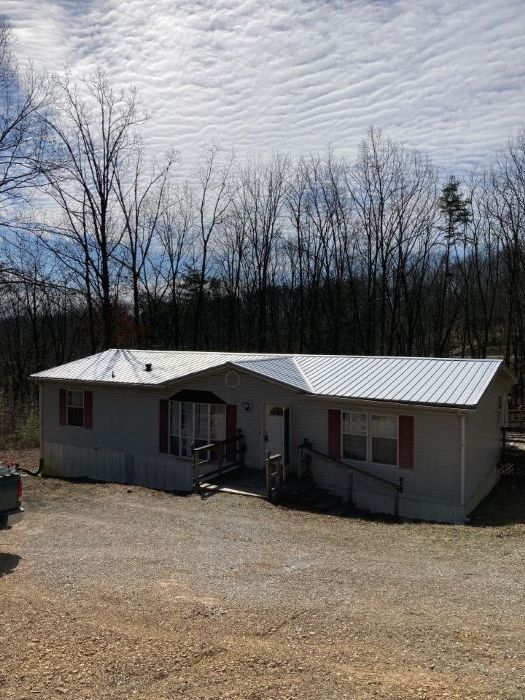
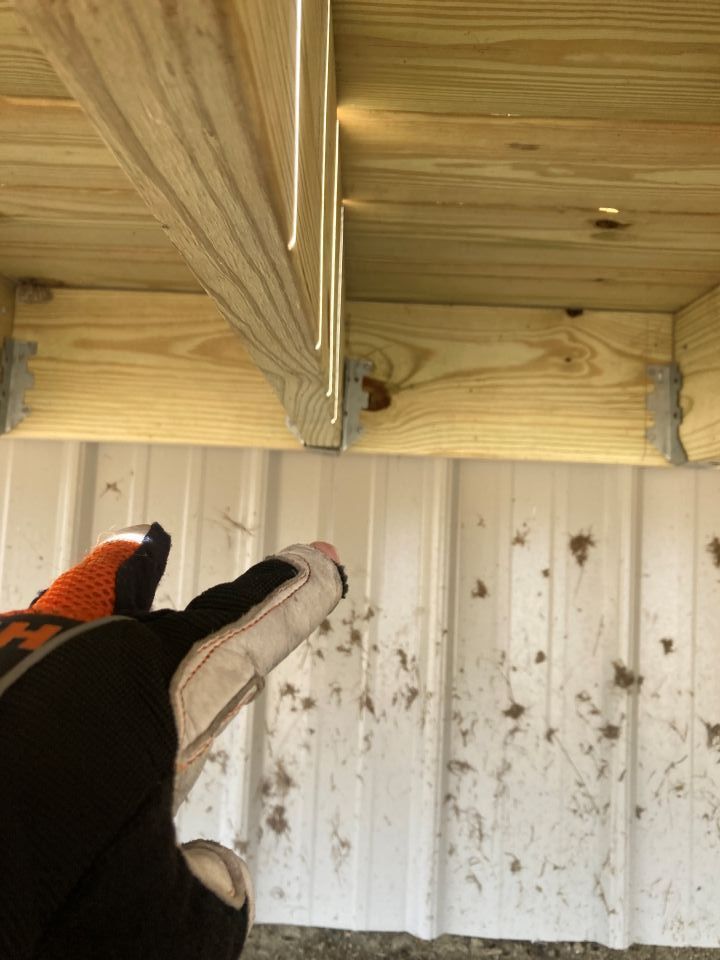
Water damage is often one of the most overlooked threats to a home, wreaking havoc unnoticed until it's too late. Water can infiltrate your roof- like what has occurred in this inspection photo due to a lack of drip edge installed along the roof rake edge. Other common water entry points on roofs are roof intersections and any penetration areas such as chimneys, skylights, and vents. These areas need to be regularly inspected for signs of water leaks, that not only damage insulation and framing, but can also create the perfect breeding ground for mold. It is a good practice to not only look at the flashing and sealant around these penetrations on the roof itself, but also to enter the attic and inspect roof penetration areas for any signs of moisture staining or active water penetration - if possible, during a rain event! Asphalt shingles wear down with time, temperature extremes, and direct solar exposure, they can become vulnerable to water intrusion and lead to costly repairs—something every homeowner wants to avoid. We recommend inspecting your roof at least once a year to ensure roofing materials are in good shape and properly shedding water.
The exterior building envelope of your home is where water management is the most crucial. When water seeps in through cracks or gaps in siding or areas improperly flashed or sealed, it can lead to wood rot or even compromise the structural integrity of your walls. Poorly sealed or aging windows can allow water direct access into your living spaces. Over time, this unchecked moisture can lead to peeling paint, compromised drywall, and even contribute to an unhealthy environment from mold growth. It is a good idea to check the condition of the sealant around your windows from time to time. Even exterior grade sealant or silicone will expand and contract some with temperature variations, which results in the sealant cracking. These cracks become areas of potential water penetration. Where windows are safely accessible by the homeowner, additional sealant or silicone can be added to ensure windows remain watertight.
Water accumulation around the foundation can lead to settling or shifting, resulting in cracks that can escalate into major structural problems. Simply ensuring proper drainage slope along your home's foundation (recommended 6-inch drop over the first 10 feet) and adding downspout extensions to your gutters can do wonders for addressing water issues around your foundation. You should aim to direct water discharge from downspouts to a minimum of 6 feet away from the foundation.
In summary, excessive moisture issues not only affect the safety of your home, but can also deter potential buyers if you’re looking to sell. Don’t wait for the signs of water damage to surface; be proactive about inspecting and maintaining your home. We hope these simple tips will help you maintain a dry and healthy home!
Your Friends at Higher Rock Inspections